Appliance under warranty but needs repair? Here's what Boston homeowners need to know about warranty repairs and keeping coverage intact.
Share:

Summary:
If your appliance is still under manufacturer warranty, you should contact the dealer you purchased from or the manufacturer directly for appliance repair. That’s the textbook answer. The real-world answer involves understanding what happens next and what alternatives exist when the textbook approach doesn’t work.
Most major home appliances come with one-year comprehensive warranties covering parts and labor. Some components like refrigerator compressors or washing machine motors may have extended coverage periods. Even if a warranty has expired, you’re still covered for any unresolved problem you reported while the warranty was still active.
But warranty coverage doesn’t guarantee quality service or quick resolution. That’s where knowing your options becomes valuable.
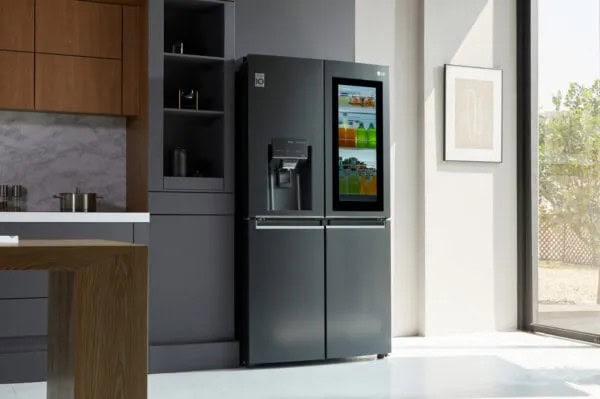
Here’s what appliance manufacturers want you to believe: factory-authorized repair is always your best option for warranty work. Authorized services partner with manufacturers to provide warranty-covered care, aiming to match or exceed the appliance’s quality standards. Choosing factory-authorized repairs protects your investment and ensures warranty validity.
Here’s what Boston homeowners actually experience: Independent repair services receive far more favorable customer ratings than factory-authorized services, which struggle with getting repairs done right. Lower-priced repair companies on average rate higher on service quality than their higher-priced competitors.
This creates a real dilemma. You want your appliance fixed properly, but you also need to protect your warranty coverage. The solution isn’t choosing one over the other—it’s understanding when each approach makes sense.
For straightforward warranty repairs involving part replacement, authorized service usually works fine. When you’re dealing with complex diagnostics, repeated failures, or poor service experiences, you have more flexibility than most people realize. Using unauthorized repair can void your warranty, but you’re not completely locked in when authorized service consistently fails to deliver.
The key is documentation and escalation. If authorized repair attempts fail repeatedly, you have rights that go beyond the manufacturer’s warranty terms.
Massachusetts law provides stronger consumer protection than most states through the “Implied Warranty of Merchantability,” requiring products to function properly for reasonable periods, with both retailers and manufacturers equally responsible. This gives Boston residents additional leverage beyond standard manufacturer warranties.
What does this mean practically? After a reasonable number of repair attempts, you must be permitted to choose between a full refund or replacement. “Reasonable” typically means two to three attempts for the same problem, though complex issues may require more attempts.
When repairs fail repeatedly, homeowners often worry about being stuck with a problematic appliance indefinitely. Massachusetts law prevents this situation, but you need to know how to invoke your rights.
Document every interaction: repair attempts, dates, technician names, parts replaced, and ongoing problems. Keep all receipts, work orders, and communication records. Massachusetts consumer law protects buyers from recurring appliance problems, but protection requires proper documentation.
If you’re experiencing repeated failures, contact both the retailer and manufacturer simultaneously. Retailers cannot simply shift responsibility to manufacturers when warranty issues persist. This dual approach often produces faster resolution than dealing with manufacturers alone.
Want live answers?
Connect with a Fast Action Appliance expert for fast, friendly support.
Protecting your warranty coverage goes beyond choosing authorized repair services. Boston homeowners can use additional strategies to maximize coverage and ensure quality results.
Credit cards that double manufacturer warranties provide at least an extra year of coverage, making problems in year two completely covered. Your payment method choice can significantly extend your protection period and provide additional recourse options.
This extended coverage often includes benefits that manufacturer warranties exclude, creating multiple layers of protection for your appliance investment.
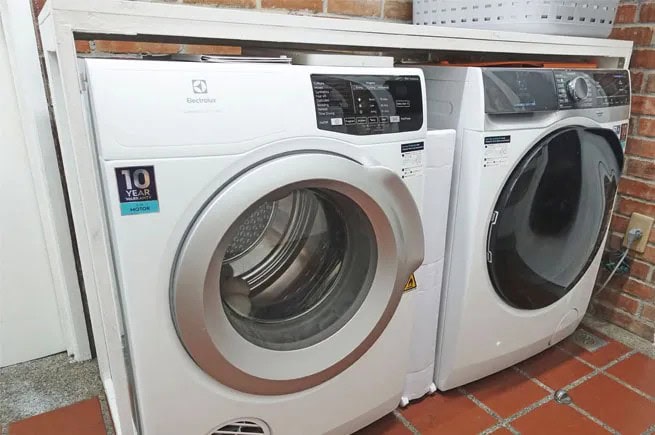
Keep all receipts and original warranty documentation—you’ll need them for warranty claims with retailers, manufacturers, or credit card companies. Missing paperwork is the most common reason warranty claims get denied, even for legitimate problems.
Many appliances have multiple overlapping warranties covering different components—motors, compressors, electronics may each have separate coverage periods and terms. Understanding these overlapping protections can provide additional repair options and extended coverage windows.
Create a simple file system for each major appliance: purchase receipt, warranty documentation, repair records, and correspondence. When problems arise, you’ll have everything needed to pursue all available coverage options.
Credit card extended warranty benefits often provide an additional year of coverage beyond manufacturer warranties. Check your credit card benefits before making major appliance purchases—some cards offer significantly better extended warranty protection than others.
The goal is creating multiple layers of protection that give you options when problems occur. Manufacturer warranty, implied warranty under Massachusetts law, and credit card extended warranty can all provide different types of coverage for the same appliance.
If your appliance is under warranty, use authorized repair to avoid paying for work. If warranty has expired, use only top-rated independent shops. This covers most situations, but Boston homeowners can be more strategic about their choices.
Consider the repair complexity and cost. Many appliance repairs cost only a few hundred dollars, with some DIY repairs possible for around $20 since appliance parts are relatively inexpensive. For minor issues—door seals, basic electrical problems, simple maintenance—warranty coverage may not justify poor service experiences.
For major component failures, warranty coverage becomes essential. Refrigerator repairs range from $150-400 depending on the problem, with simple thermostat replacements costing $150-200, while compressor repairs typically run $300-400. These higher-cost repairs make warranty coverage valuable even if service quality concerns exist.
Some appliance repair services receive “superior” ratings from 90% of customers, while others get favorable ratings from fewer than half their customers. Research your authorized service options—not all factory-authorized providers deliver the same quality experience.
The decision framework: use warranty coverage for expensive repairs and major component failures. Consider alternatives for minor problems or when you’ve had consistently poor experiences with authorized service. Document everything to maintain your options if warranty repairs fail to resolve problems properly.
When your appliance breaks under warranty, you’re not just dealing with a repair decision—you’re protecting a significant investment while getting your daily routine back on track. The key is understanding your options and rights as a Massachusetts resident.
Start with warranty coverage for major repairs, but don’t hesitate to explore alternatives when authorized service consistently disappoints. Document every interaction, understand your consumer protection rights, and remember that your goal is a properly functioning appliance, not just following warranty procedures that don’t deliver results.
If you need expert appliance repair advice in Boston with honest consultation about warranty versus independent service options, we provide transparent guidance and quality repairs for all major brands throughout Middlesex County.
Article details:
Share:
Continue learning: