Learn essential maintenance tips that keep your major household appliances running efficiently and prevent expensive breakdowns in your Boston home.
Share:
Summary:
When it comes to household appliances, making informed decisions doesn’t end after initially buying appliances. Proper maintenance and timely repairs can significantly extend the life of your appliances and keep them running efficiently for years to come.
Boston’s climate puts extra stress on your appliances. Winter heating systems work overtime, summer humidity affects refrigerator repair needs and dishwasher performance, and the constant temperature changes throughout the year impact all your equipment. Without regular maintenance, small issues become expensive problems fast.
Often appliance repairs can be done for a few hundred dollars. You can usually do most repairs yourself for like $20. But when you skip maintenance entirely, you’re looking at major component failures that cost significantly more—or complete replacement.
Let’s talk numbers. The average cost for a new home appliance is $2,175, according to Home Advisor. Compare that to basic maintenance tasks that cost almost nothing but prevent major breakdowns requiring washer repair, dryer repair, or oven repair services.
Take your refrigerator, for example. Cleaning the coils twice a year takes 15 minutes and costs nothing. Skip this simple task, and your compressor works harder, uses more energy, and eventually burns out—a repair that can cost $500 or more. In many cases, repairing a refrigerator is more cost-effective than replacing it—especially if it’s less than 10 years old.
The pattern repeats across all your appliances. Dryer vent cleaning prevents fires and extends your dryer’s life. Dishwasher filter cleaning prevents pump damage that requires professional dishwasher repair. Washing machine hose inspection prevents water damage that could cost thousands in home repairs.
Boston homeowners who stay on top of basic maintenance typically see their appliances last 20-30% longer than the national average. That’s real money staying in your pocket instead of going to appliance stores or emergency repair calls when you need an appliance technician fast.
Boston’s four-season climate creates unique challenges for household appliances. Winter temperatures can affect appliances in unheated spaces like garages or basements. Summer humidity makes refrigerators and air conditioning units work harder. The constant seasonal transitions stress seals, gaskets, and moving parts throughout your home appliance repair needs.
Your refrigerator fights Boston’s summer humidity every time you open the door. Without clean coils and proper door seals, it’s running constantly and wearing out faster. Your washing machine deals with temperature fluctuations in water supply and ambient air that can affect its sensors and mechanical components.
Climate influences the need for repair services. Florida and the Southeast region, notable for the humidity and heat that degrade appliances, have the most significant share of repair needs. While Boston isn’t as extreme, our seasonal variations create similar stress patterns that increase the need for microwave repair, stove repair, and other home appliance repair services.
Smart Boston homeowners adjust their maintenance schedules to match the climate. Spring cleaning includes appliance maintenance after winter stress. Fall preparation includes getting appliances ready for heating season demands. This proactive approach prevents the emergency calls that always seem to happen at the worst possible times.
Regular maintenance also means your appliances run more efficiently year-round. In Boston’s expensive energy market, that efficiency translates to lower utility bills every month. Your well-maintained refrigerator uses less electricity. Your clean dryer vent means shorter drying times. These savings add up significantly over time.
Want live answers?
Connect with a Fast Action Appliance expert for fast, friendly support.
Now that you understand why maintenance matters, let’s get into the specific steps that keep your appliances running smoothly. These aren’t complicated procedures—most take just a few minutes and require no special tools or appliance technician expertise.
The key is consistency. Key findings reveal that despite high self-reported awareness of maintenance, actual practices are lacking, leading to reactive rather than proactive maintenance behaviors. Don’t wait until something breaks and you need appliance repair services. Build these simple tasks into your routine, and you’ll avoid most appliance problems before they start.

Your refrigerator runs 24/7, making it one of the hardest-working appliances in your Boston home. Refrigerators work tirelessly to keep your food fresh, so they need regular attention: Clean the Coils: Dust and dirt on condenser coils can cause your refrigerator to overheat. Clean them every 6–12 months.
Start with the coils. They’re usually located behind or underneath your refrigerator. Unplug the unit, locate the coils, and use a vacuum with a brush attachment or a coil brush to remove dust and pet hair. In Boston homes with pets or older heating systems, you might need to clean coils every four months instead of six to prevent the need for refrigerator repair.
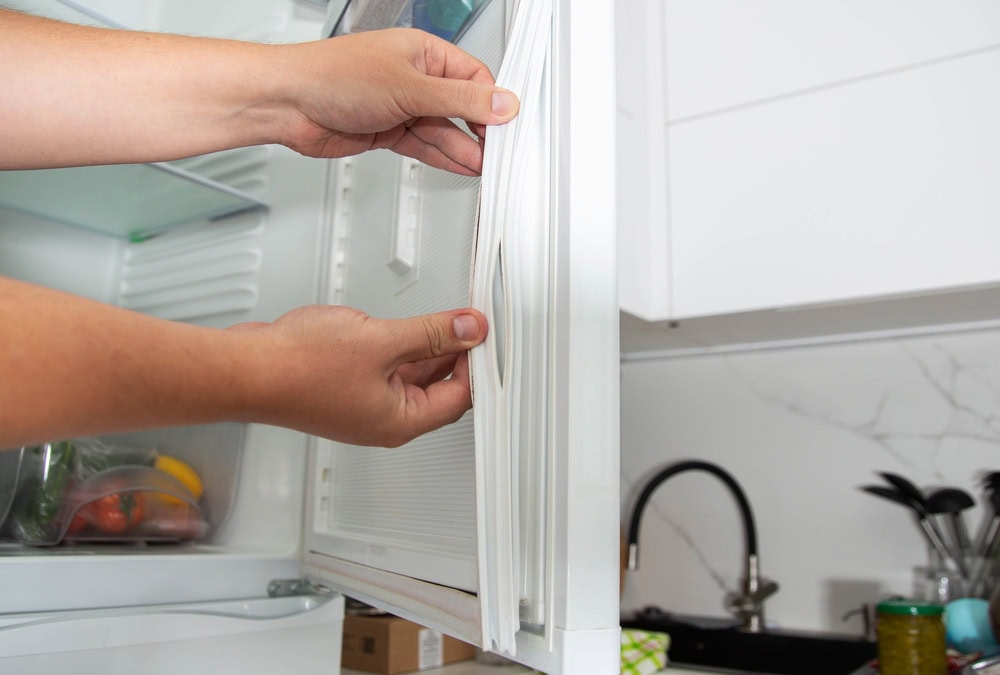
Check Door Seals: A loose or cracked seal can waste energy and strain the compressor. Monitor the Temperature: Keep the fridge at 37–40°F and the freezer at 0°F. Test door seals by closing the door on a dollar bill. If you can pull it out easily, the seal needs replacement.
Clean the interior monthly with a mild baking soda solution. Remove expired items regularly—overcrowding makes your refrigerator work harder. Check and replace water filters according to manufacturer recommendations, typically every six months.
Don’t forget the drip pan underneath. It collects condensation and can develop mold or odors if not cleaned periodically. Most are removable and dishwasher-safe, making this an easy quarterly task.
Temperature monitoring is crucial in Boston’s varying climate. Use an appliance thermometer to verify your settings, especially after power outages or extreme weather. Proper temperatures keep food safe and reduce energy costs while preventing issues that require professional home appliance repair services.
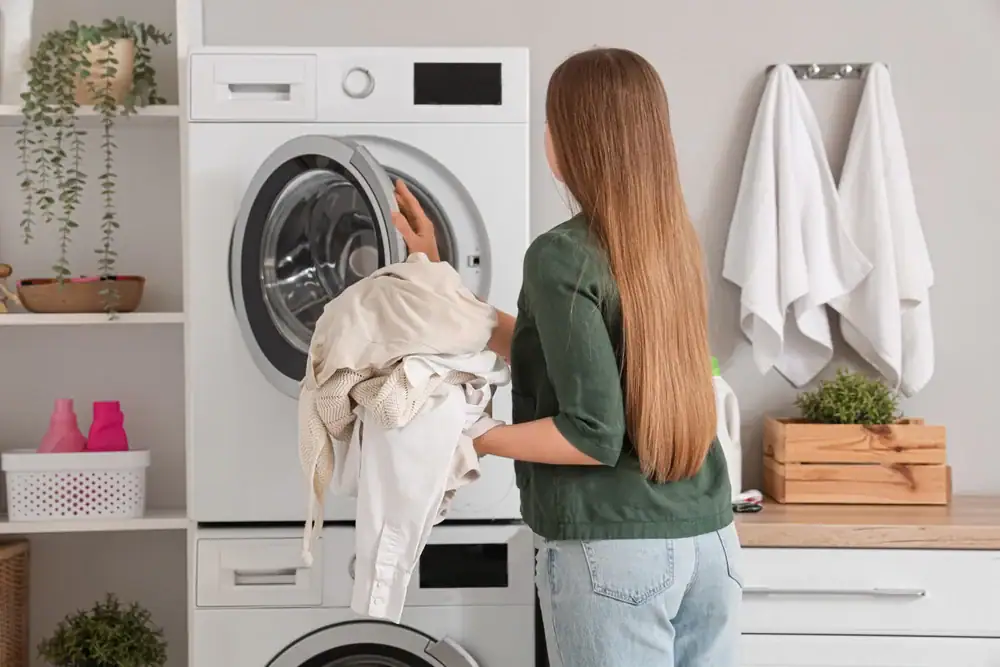
Laundry appliances handle heavy use in most Boston households, especially during winter months when outdoor drying isn’t practical. Laundry appliances endure heavy use, making maintenance essential: Balance the Load: Uneven loads can strain the motor and cause noise or vibration. Clean the Lint Trap: Prevent dryer fires by clearing the lint trap after every use. Inspect Hoses: Replace hoses every five years to prevent leaks.
For your washing machine, check hoses monthly for bulges, cracks, or leaks. Boston’s temperature fluctuations can cause rubber to deteriorate faster than in more stable climates. Replace hoses every five years as preventive maintenance—it’s much cheaper than dealing with flood damage that requires emergency washer repair services.
Clean your washing machine monthly by running an empty hot water cycle with two cups of white vinegar, followed by a cycle with baking soda. This removes soap residue and prevents mold growth in the humid Boston climate. Leave the door or lid open after use to allow air circulation.
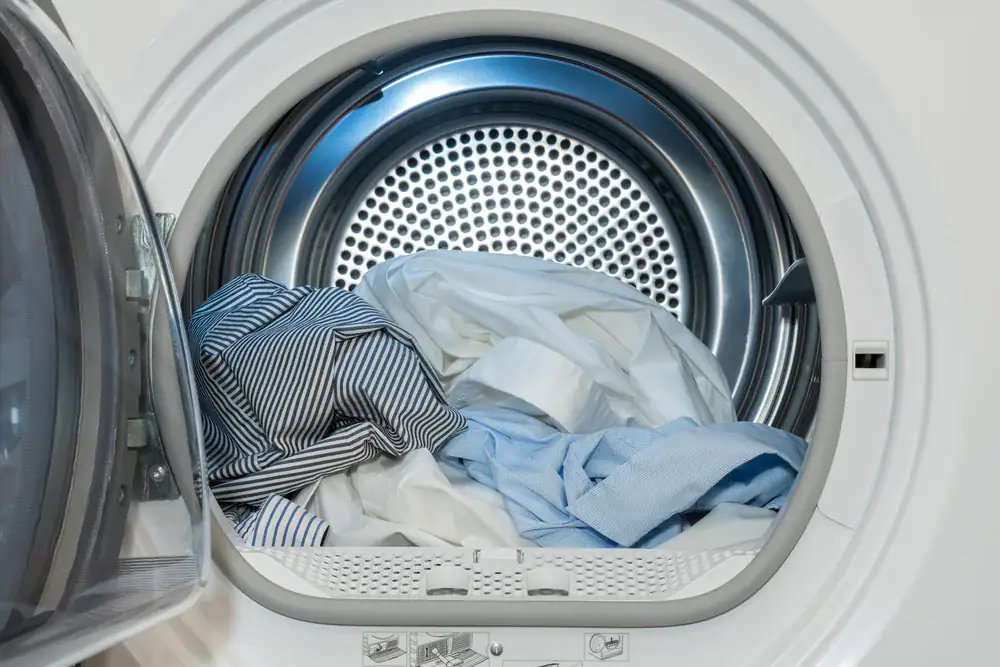
Your dryer needs attention after every load. Clean the Lint Trap: Prevent dryer fires by clearing the lint trap after every use. But that’s just the start. Clean the exhaust vent annually—more often if you do lots of laundry. Clogged vents are a fire hazard and make your dryer work harder, shortening its life and potentially requiring costly dryer repair.
Check the outdoor vent hood to ensure it opens and closes properly. Boston winters can cause ice buildup that blocks airflow. Remove any bird nests or debris from the exterior vent. Inside, vacuum around the dryer and check that it’s level to prevent excessive vibration.
When to Call for Repairs: Drum not spinning, water leaks, or failure to heat. But with proper maintenance, these issues become much less likely, saving you from emergency service calls during Boston’s busy seasons when every appliance technician is in high demand.
Even with perfect maintenance, appliances eventually need professional attention. Knowing when to seek professional help can save you from worsening damage and more expensive repairs: Unusual Noises: Grinding, humming, or rattling sounds often signal mechanical issues.
The key is catching problems early, before they become major failures requiring extensive appliance repair work. Strange noises, unusual vibrations, inconsistent performance, or higher energy bills often signal that professional diagnosis is needed. Don’t wait until complete breakdown—early intervention saves money and prevents secondary damage.
The average repair cost is only about $150. So even if the repair is $250, it’s usually worth making, especially if you hadn’t had trouble with the appliance, according to Boston consumer advocates. Professional maintenance and timely repairs keep your household running smoothly while protecting your investment in quality appliances.
We understand Boston homeowners need reliable service when appliances fail. Whether you need refrigerator repair, washer repair, dryer repair, dishwasher repair, oven repair, microwave repair, or stove repair, combining regular maintenance with our professional expertise when needed gives you the best of both worlds—maximum appliance life at minimum cost.
Article details:
Share:
Continue learning: