Discover the key warning signs that indicate your oven or stove needs professional repair before small problems become expensive emergencies.
Share:
Summary:
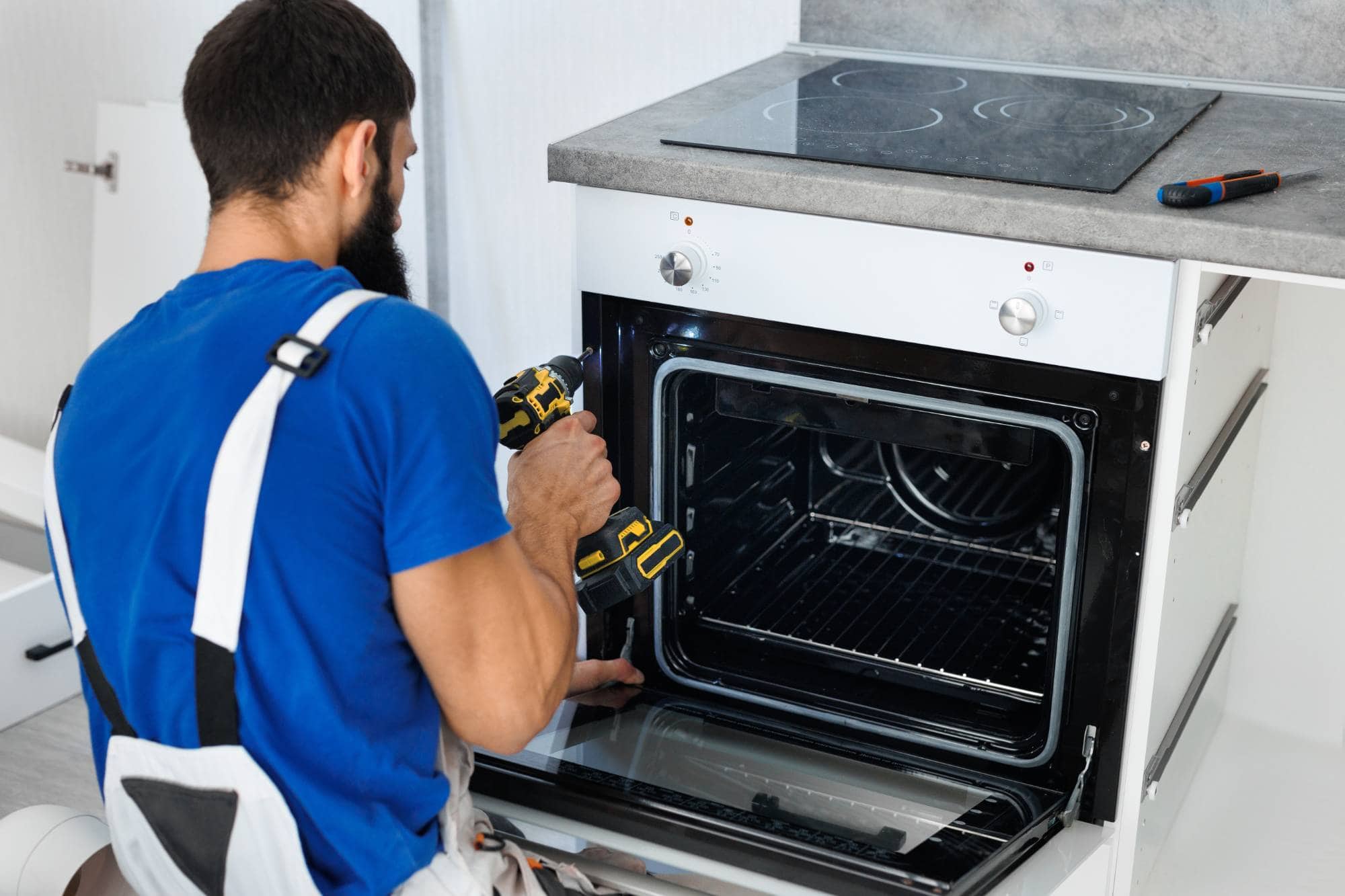
When your oven or stove can’t maintain proper temperatures, it’s sending you a clear message that something’s wrong. You might notice your food taking longer to cook than usual, or coming out unevenly heated despite following the same recipes you’ve used for years.
Temperature inconsistencies often point to failing heating elements, faulty thermostats, or sensor problems. These issues don’t fix themselves—they typically get worse over time, leading to higher energy bills and frustrating cooking experiences.
A properly functioning oven should reach temperature within 10-15 minutes. If you’re waiting much longer than that, or if your oven never seems to get hot enough, you’re dealing with a heating system problem that needs attention.
Electric ovens typically struggle with heating when the heating elements start to fail. You might see that the elements don’t glow red like they used to, or they only heat partially. Gas ovens often have issues with the igniter system—you might hear the clicking sound but no flame, or see a weak yellow flame instead of a strong blue one.
The longer you wait to address heating problems, the more energy you waste and the more frustrated you’ll get with uneven cooking results. Your monthly utility bills might also creep up as your oven works harder to try reaching the temperatures you set. We can quickly identify whether you need a new heating element, igniter replacement, or thermostat repair.
Don’t ignore these signs thinking they’ll resolve on their own. Heating problems almost always indicate worn components that will eventually fail completely, leaving you without a working oven when you need it most.
When your oven cooks unevenly—burning food on one side while leaving it raw on the other—you’re seeing evidence of heating element problems or circulation issues. This isn’t something you should try to work around by constantly rotating pans or adjusting cooking times.
Uneven heating often stems from one heating element working harder than another, or from problems with the oven’s internal fan system that circulates hot air. In gas ovens, blocked burner ports or damaged heat distributors can create hot spots that make consistent cooking nearly impossible.
You might notice that cookies on one side of the pan come out golden while others stay pale, or that casseroles cook through on the edges but remain cold in the center. These aren’t quirks you need to live with—they’re fixable problems that we handle regularly.
Professional repair can restore even heat distribution throughout your oven, getting you back to predictable cooking results. The repair might involve replacing heating elements, cleaning blocked components, or adjusting internal fans. Most homeowners are surprised by how much better their cooking becomes once heating issues are properly addressed.
Want live answers?
Connect with a Fast Action Appliance expert for fast, friendly support.
Your oven and stove should operate relatively quietly, with only the normal sounds of ignition, fan operation, or the occasional expansion noise as metal heats up. Unusual sounds—clicking, grinding, buzzing, or scratching—typically indicate mechanical problems that need professional attention.
Similarly, strange odors beyond the normal smell of food cooking can signal serious issues. Gas odors, burning smells, or electrical odors should never be ignored, as they can indicate safety hazards that require immediate attention.
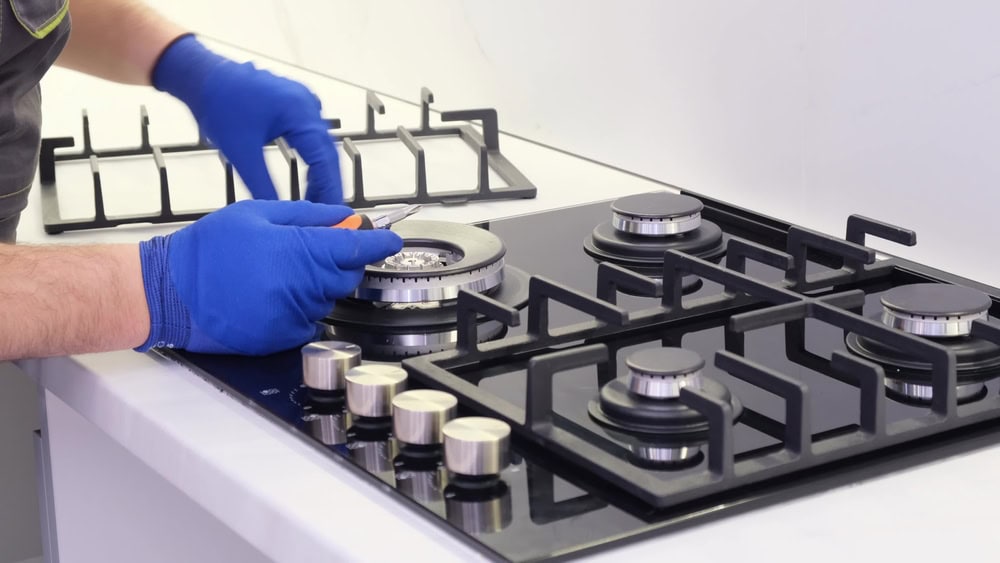
If your gas stove keeps clicking after the burner lights, or if you hear grinding, buzzing, or scratching sounds during operation, these mechanical noises indicate components that are wearing out or malfunctioning. Continuous clicking usually points to ignition switch problems or moisture interference in the system.
Electric stoves might develop humming sounds from failing infinite switches, or clicking noises from loose internal connections. These sounds often start intermittently but become more frequent over time, eventually leading to complete failure of the affected burner or oven function.
Don’t assume these sounds are just normal aging of your appliance. Modern ovens and stoves are designed to operate quietly, and persistent mechanical noises usually indicate parts that need replacement or adjustment. Ignoring these warning signs often leads to more expensive repairs later, as failing components can damage other parts of the system.
We can quickly identify the source of unusual sounds and determine whether you need ignition system repairs, switch replacements, or other mechanical fixes. Most sound-related problems are relatively straightforward to repair when caught early, but can become complex if allowed to progress.
Any smell of gas around your stove or oven requires immediate attention and should never be ignored. Natural gas is odorless by itself, but utility companies add a distinctive “rotten egg” smell so you can detect leaks. If you smell gas, turn off the appliance, ventilate the area, and contact professionals right away.
Electrical burning smells from electric ovens or stoves can indicate overheating wires, failing electrical connections, or components that are drawing too much current. These odors often appear before you see visible signs of electrical problems, making them important early warning signals.
You might also notice unusual odors that seem to come from inside the oven during operation—smells that aren’t related to the food you’re cooking. These can indicate problems with internal insulation, wiring, or heating elements that are beginning to fail. While not always immediately dangerous, these odors typically indicate problems that will worsen over time.
We have the tools and training to safely diagnose odor-related problems, whether they involve gas systems, electrical components, or mechanical issues. We can determine whether you’re dealing with a minor adjustment need or a more serious safety concern that requires immediate repair. Don’t try to diagnose gas or electrical odors yourself—these situations require professional expertise to ensure your safety.
Recognizing these warning signs early gives you the advantage of addressing problems before they become emergencies. Temperature issues, strange sounds, and unusual odors are your appliances’ way of asking for help—and responding quickly can save you money and prevent more serious breakdowns.
Most of these problems are straightforward repairs when caught early, but they can become expensive replacements if ignored. We have the experience to quickly diagnose issues and recommend the most cost-effective solutions for your specific situation.
If you’re experiencing any of these warning signs with your oven or stove in the Boston area, we can help restore your appliances to proper working condition and get your kitchen back to normal operation.
Article details:
Share:
Continue learning: