When appliance repairs fail to solve your problem, knowing your options and rights can save you time, money, and frustration.
Share:
Summary:
Before you panic or assume you’re stuck with a bad repair, understand that you have legal protections when appliance repair services don’t deliver what was promised. Your rights depend largely on what type of agreement you had with the repair company and whether they acted reasonably during the service.
Most reputable appliance repair companies in Boston provide some form of warranty on their work, typically covering both parts and labor for a specific period. If your repair fails within this warranty window, you’re generally entitled to have the company return and fix the problem at no additional charge.
However, your rights extend beyond just warranty coverage. If a technician was negligent, used incorrect parts, or misdiagnosed the problem entirely, you may be entitled to additional remedies including refunds or compensation for related damages.

Your first step should always be thorough documentation of the failed repair. This creates a paper trail that protects you if the situation escalates and gives you leverage when negotiating with the refrigerator repair company.
Start by taking photos or videos of your appliance showing that the original problem persists. If your refrigerator still isn’t cooling properly, document the temperature readings. If your dishwasher is still leaking, capture images of the water damage or pooling. These visual records provide clear evidence that the repair was unsuccessful.
Next, gather all paperwork related to the original service call. This includes your service agreement, invoice, any warranties provided, and notes about what the technician claimed to fix. Pay special attention to any written guarantees about the repair solving your specific problem—these can be particularly valuable if you need to pursue further action.
Don’t forget to document the timeline of events. Write down when the original repair occurred, when you discovered it hadn’t worked, and any subsequent communications with the repair company. This chronological record helps establish that you gave the repair a reasonable opportunity to succeed before concluding it had failed.
Finally, keep records of any additional costs the failed repair has caused you. This might include spoiled food from a refrigerator that’s still not working, laundromat costs because your washer repair didn’t take, or any emergency measures you had to take to prevent further damage.
While it might be tempting to immediately seek outside help or write negative reviews, your most productive first step is usually contacting the original repair company directly. Most legitimate appliance repair businesses in Boston want to maintain their reputation and will work with you to resolve the issue.
When you contact them, remain calm and professional. Explain clearly that the original problem persists despite the repair and that you’d like them to return to complete the job properly. Many companies will schedule a return visit at no charge, especially if the repair is still under warranty.
Be specific about what’s still not working. Instead of saying “it’s still broken,” explain exactly what symptoms remain. For example, “The dishwasher is still not draining completely, and there’s standing water in the bottom after each cycle.” This level of detail helps the company understand that this isn’t a new problem, but a continuation of the original issue.
If the company seems resistant or unwilling to stand behind their work, ask to speak with a supervisor or owner. Sometimes the person answering doesn’t have authority to authorize warranty work, but management typically does. Explain that you’re seeking a resolution and would prefer to work things out directly rather than pursuing other options.
Document this conversation as well. Note who you spoke with, what they promised to do, and any timeline they provided. If they agree to return, confirm the appointment in writing via email or text message. This creates accountability and shows you’re taking the matter seriously.
Remember that legitimate companies generally want to fix problems rather than deal with complaints, negative reviews, or potential legal issues. Giving them a reasonable opportunity to make things right often leads to a satisfactory resolution and may actually strengthen your relationship with a quality service provider.
Want live answers?
Connect with a Fast Action Appliance expert for fast, friendly support.
Sometimes the original repair company isn’t able or willing to resolve the issue satisfactorily. In these situations, getting a second opinion from another qualified appliance technician can provide valuable insight and potentially solve your problem.
A second opinion is particularly valuable when you suspect the original diagnosis was incorrect or when multiple repair attempts have failed to resolve the issue. An independent technician can often identify problems that were missed or provide a fresh perspective on complex issues.
However, timing matters when seeking outside help. If your appliance is still under manufacturer warranty, having unauthorized work done could potentially void that coverage, so check your warranty terms carefully before proceeding.
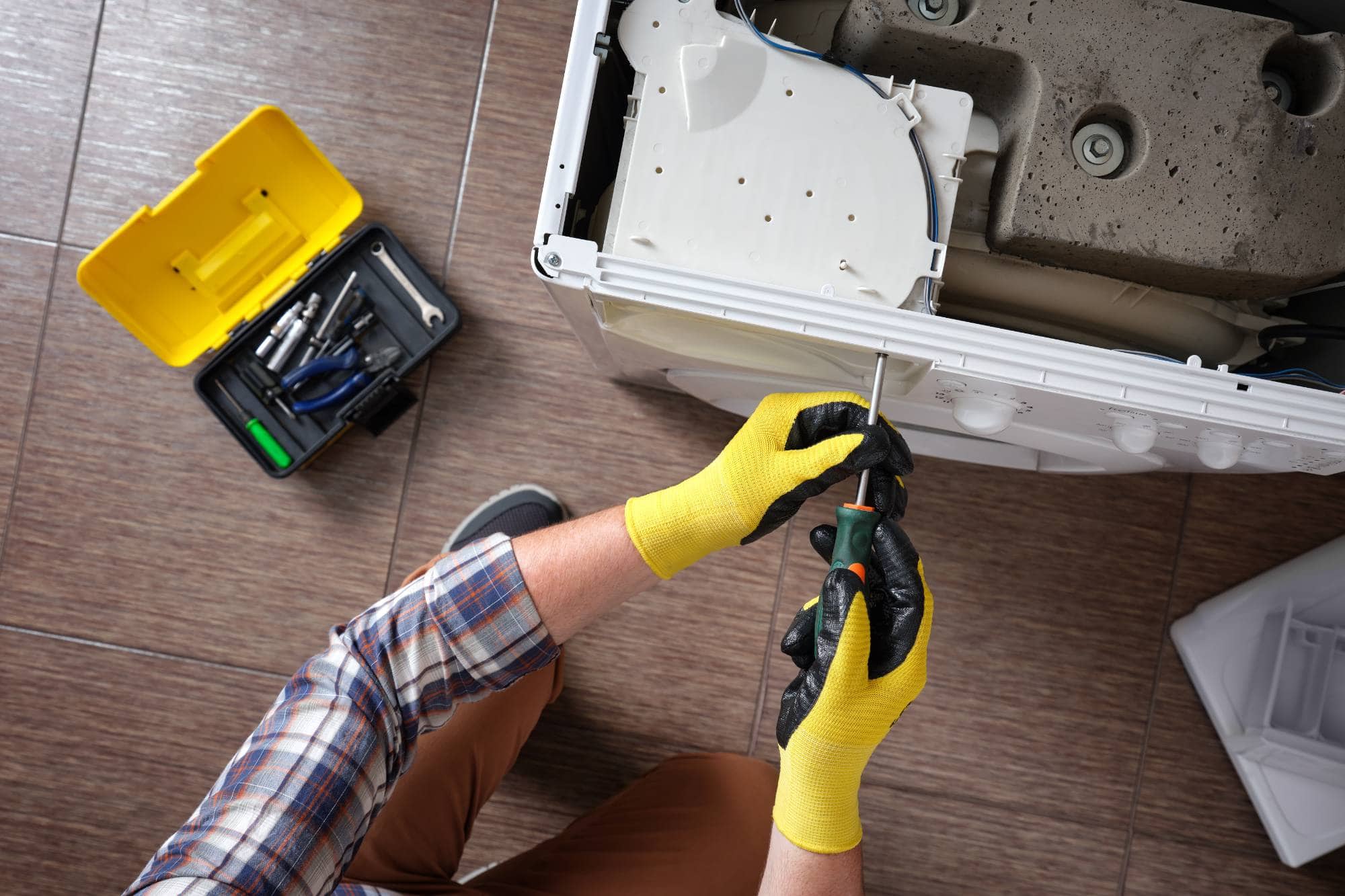
Not all appliance repair companies are created equal, and choosing the wrong second opinion provider could leave you worse off than before. Look for established Boston-area companies with proper licensing, insurance, and a track record of satisfied customers.
Check online reviews, but focus on recent feedback and look for patterns rather than isolated complaints. Pay attention to how companies respond to negative reviews—professional, constructive responses often indicate a business that takes customer service seriously.
Verify that any technician you’re considering is properly certified to work on your specific appliance brand and type. Some manufacturers require special training or certification for warranty work, and using an unqualified technician could create additional problems.
When you contact them for a second opinion, be upfront about the previous repair attempt. Explain what was supposedly fixed and what problems remain. A good technician will appreciate this information and may be able to quickly identify whether the original repair was appropriate or if something was missed.
Ask about their diagnostic process and whether they charge a separate fee for evaluation. Some companies offer free estimates, while others charge a diagnostic fee that may or may not be applied toward repair costs. Understand these costs upfront to avoid surprises.
Consider asking the second technician to provide a written assessment of what they find, especially if it contradicts the original repair. This documentation can be valuable if you need to pursue reimbursement from the first company or if warranty issues arise.
Before authorizing any additional work, make sure you understand exactly what the second technician plans to do and how it differs from the original repair. Ask them to explain why they believe their approach will succeed where the previous attempt failed.
Get a written estimate that clearly outlines the work to be performed, parts to be used, and total cost including labor. This estimate should also specify what warranty or guarantee comes with the new repair work.
If the second technician identifies that the original repair was performed incorrectly or used wrong parts, document this finding. Take photos of any incorrect work or inappropriate parts that are discovered. This evidence can be crucial if you decide to seek reimbursement from the original repair company.
Consider asking the second technician to preserve any parts they remove, especially if those parts were recently installed by the first company. These physical pieces of evidence can support your case if you need to demonstrate that the original repair was performed improperly.
Be cautious about authorizing extensive additional work until you’re confident in the new technician’s diagnosis. If they’re recommending significantly more expensive repairs than the original company, consider getting a third opinion before proceeding.
Throughout the process, maintain detailed records of all communications, costs, and work performed. This documentation protects you and provides a clear timeline of events if you need to pursue any form of compensation or resolution later.
While dealing with a failed repair is frustrating, you can take steps to minimize the chances of experiencing similar problems in the future. Choose appliance repair companies that provide written estimates, clear warranties, and have established reputations in the Boston area.
Look for technicians who take time to explain what they’re doing and why, rather than rushing through the job. Quality repair companies will also follow up to ensure their work was successful and address any concerns promptly.
Remember that you have rights as a consumer, and reputable businesses will respect those rights. When you need reliable appliance repair in Boston, we at Fast Action Appliance stand behind our work with comprehensive warranties and a commitment to customer satisfaction that ensures your appliances get fixed right the first time.
Article details:
Share:
Continue learning: