Nothing ruins laundry day quite like opening your washing machine to a wave of musty, sour, or downright foul odors. If you’re dealing with a smelly washer in Middlesex County, you’re not alone—and you’re definitely not imagining it. The combination of our area’s hard water, humid conditions, and everyday use creates the perfect storm for washing machine odors. The good news? Most smell problems have straightforward solutions once you understand what’s actually causing them. Let’s dig into why your washer has turned into a stink factory and how to get it fresh again.
Nasty smells in your washing machine are caused by a combination of mold, mildew and bacteria that develop when body oil, dirt, hair, and scum get trapped in the gasket, seal, and detergent dispenser, creating an unpleasant aroma over time with the humidity. Think of your washing machine as a warm, moist environment where organic matter loves to party.
Too much detergent leaves behind a residue that traps moisture, creating the perfect breeding ground for bacteria. Fabric softener creates a waxy coating that invites mold growth. Even something as simple as leaving the door closed after a cycle can trap humidity inside, encouraging microbial growth.
The irony isn’t lost on anyone—the machine designed to clean your clothes starts smelling worse than the dirty laundry itself.
Washing machines in Middlesex County face specific obstacles from hard water mineral buildup and constant use, with hard water minerals being common in the area and building up in valves and hoses, restricting water flow. If you’ve noticed white, chalky residue on your faucets or dishes that spot even after washing, you’re dealing with hard water.
Many customers inquire about water hardness when purchasing appliances because hardness in water is caused by calcium and magnesium minerals, making it hard to create lather or suds. These same minerals don’t just disappear when they enter your washing machine—they accumulate.
Over time, mineral deposits build up in your washer’s internal components, creating rough surfaces where soap scum, bacteria, and organic matter can cling. Limescale can damage internal components and cause malfunction, and because bacteria can live in built-up limescale, it may be the reason your washing machine smells bad.
The minerals also interfere with detergent effectiveness, meaning you might use more soap to get clothes clean, which only adds to the residue problem. It’s a frustrating cycle that many Middlesex County homeowners face, but understanding it is the first step toward breaking it.
If you have hard water and persistent smells, using water-softener tablets can help prevent limescale buildup. Some homeowners invest in whole-house water softening systems, but even simple maintenance adjustments can make a significant difference in odor control.
Both top-loading and front-loading washers can develop unpleasant odors, however front loaders tend to get extra stinky largely due to the rubber gasket on the machine’s door, where moisture from collected water can cause mold and mildew to develop.
Front-loading machines are designed to be more water and energy efficient, but this efficiency comes with a trade-off. High-efficiency models like front-loaders are especially prone to odor issues due to their airtight seals and reduced water usage, creating conditions that are prime for mold and bacteria if not properly maintained.
The rubber door gasket, while essential for preventing leaks, creates countless little pockets where water can pool. When you run a cycle, detergent, dirt, debris and residue may get left behind, and when you leave the waste for a long time, it can allow mold and bacteria to grow. Add in the fact that many people close the door immediately after a cycle to keep the laundry room looking tidy, and you’ve created a perfect incubator for odor-causing microorganisms.
Top-loading machines aren’t immune to smell problems, but they do have some natural advantages. The top-opening design allows for better air circulation, and they typically use more water, which helps rinse away soap residue more effectively. However, top loaders can also develop a stench, and what works for front loaders can be just as effective for top loaders.
The key difference is often in maintenance approach. Front-load owners need to be more vigilant about wiping down gaskets and leaving doors open, while top-load owners should focus more on preventing detergent buildup and ensuring proper drainage.
The good news about washing machine odors is that most can be eliminated with the right approach and some basic maintenance. A smelly washing machine doesn’t require special cleaners or chemicals, and your pantry likely contains everything you need to eliminate foul odors—grab a box of baking soda and a bottle of white vinegar.
Add two cups of white vinegar to the detergent drawer, sprinkle half a cup of bicarbonate of soda directly into the drum, and run a hot cycle (60°C or above) with an empty machine—vinegar kills bacteria and breaks down grime, while bicarbonate of soda neutralizes odors and lifts residue.
Most odor problems respond well to this natural cleaning approach, but persistence is key. One cleaning cycle might improve the situation, but it usually takes consistent maintenance to completely eliminate embedded odors and prevent them from returning.
While DIY solutions work for many odor problems, some situations require professional intervention. Every washing machine repair we perform includes thorough diagnostic testing to identify all potential issues, with our technicians checking water inlet pressures, testing electrical connections, and examining belt tension to prevent future failures, plus providing detailed explanations of what caused the malfunction.
Professional appliance repair technicians have access to specialized tools and cleaning agents that aren’t available to consumers. We use specialized tools that remove buildup without damaging internal components, which is particularly important when dealing with mineral deposits from hard water.
Our professional service includes cleaning internal components during every service call, removing soap residue and mineral deposits that reduce washing effectiveness, sanitizing the drum, clearing drain pathways, and lubricating moving parts that experience daily wear, resulting in washers that run quieter and more effectively.
When should you call a professional instead of trying DIY solutions? If odors persist after multiple cleaning cycles, if you notice mechanical issues like drainage problems or unusual noises, or if you’re dealing with severe mold growth that might indicate deeper problems. If you have a bigger issue, schedule washer repair service with professional technicians.
Professional maintenance also includes education. You get professional maintenance tips that prevent future breakdowns and costly repairs. A good technician will explain what’s causing your specific odor problem and provide targeted prevention strategies based on your water quality, usage patterns, and machine type.
Once you’ve deep-cleaned your washing machine, keep it fresh long-term by wiping down the drum and rubber seal after every few washes, running a hot vinegar wash once a month for maintenance, using less detergent, keeping the door and detergent drawer open between washes, and cleaning your filter regularly.
The “less detergent” advice surprises many people, but it’s crucial. High-efficiency washers require specially formulated HE detergents, and using the wrong type of detergent, fabric softeners, or other additives, or too much of any product, can contribute to residue buildup and odors—always follow manufacturer instructions and use measuring cups provided.
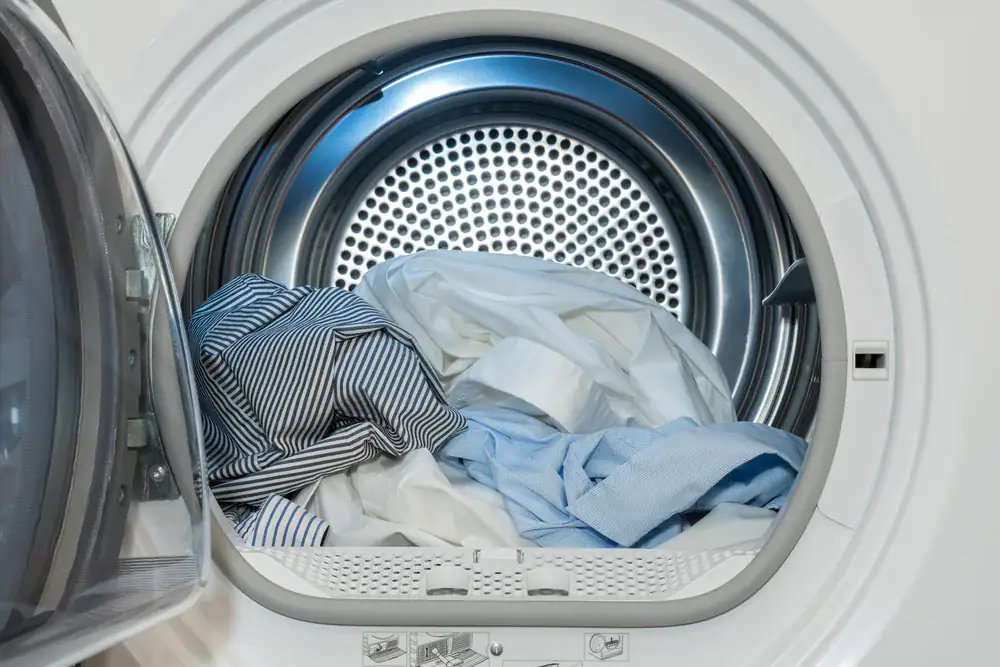
Keeping the door open between washes gives the drum and gasket a chance to dry out, which is especially important for front-loaders, and it’s good to occasionally wipe the gasket with a towel moistened in distilled white vinegar or weak bleach solution.
Running a service wash—where you run your washing machine without clothes—should be done at higher temperatures than your normal wash, with most manufacturers advising a service wash once a month. This isn’t just busy work; it’s essential maintenance that prevents the conditions that lead to odor problems.
For Middlesex County residents dealing with hard water, prevention also means addressing the mineral buildup issue directly. Consider having your water tested to understand exactly what you’re dealing with, and explore water softening options if the problem is severe. Even simple changes like switching between liquid and powder detergents occasionally can help break up residue patterns.
A smelly washing machine isn’t something you have to live with, especially when you understand what’s causing the problem. Whether it’s detergent buildup, trapped moisture, or mold in your washer from using too much detergent, skipping routine cleanings, or leaving the washer door closed after cycles, most odor issues have straightforward solutions.
For Middlesex County homeowners dealing with hard water mineral buildup that’s common in the area, regular maintenance becomes even more important. The combination of natural cleaning methods, proper usage habits, and professional maintenance when needed will keep your washer fresh and your laundry smelling the way it should.
If you’ve tried the DIY approaches and still can’t eliminate the odors, or if you’re noticing other issues like drainage problems or mechanical noises, it’s time to call Fast Action Appliance. We provide same-day and emergency washer repair services throughout Middlesex County when possible, and because we’re based locally, we can get to you promptly for quick fixes and easy service.